
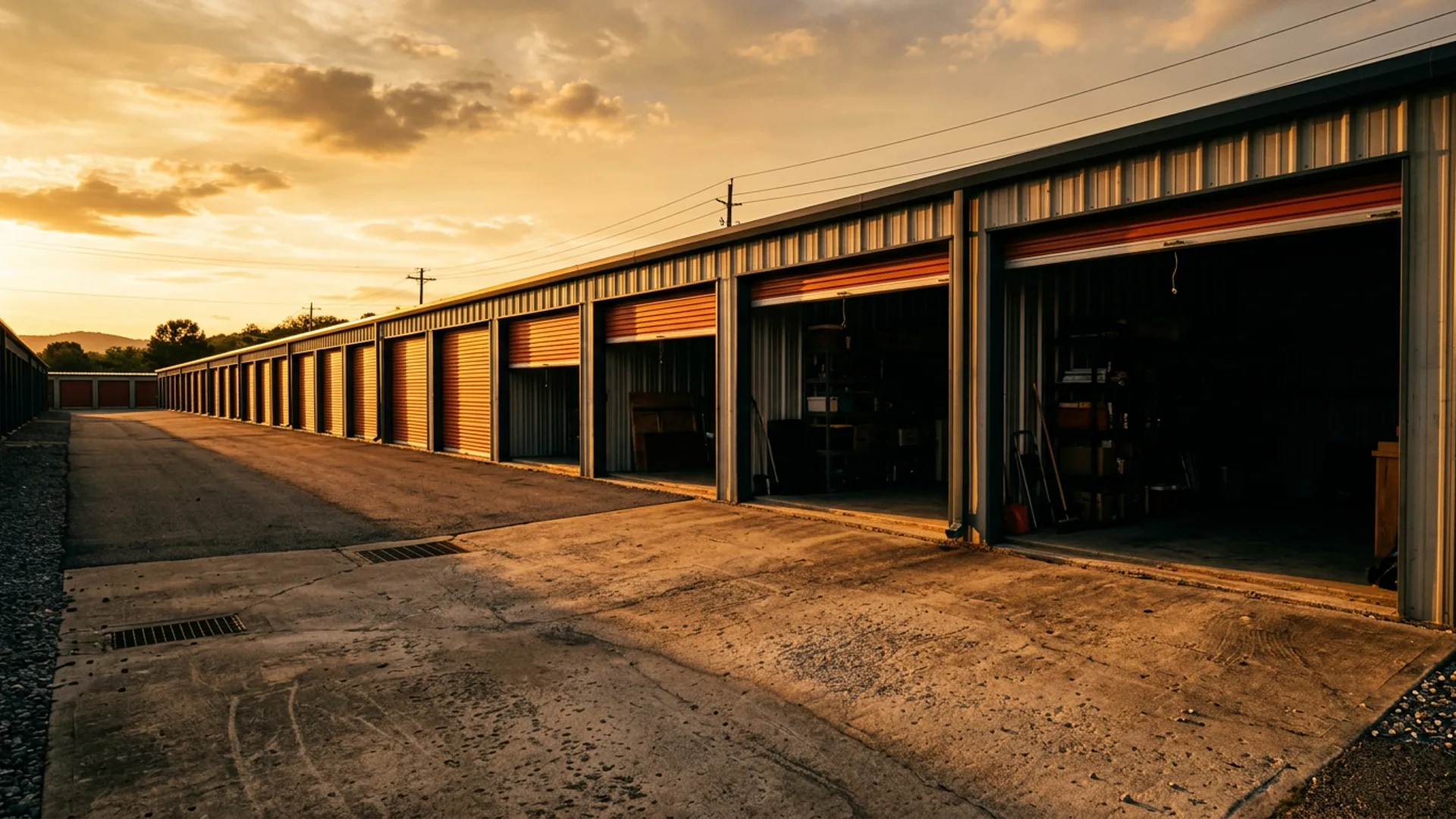
What to Know Before Your First Storage Auction
First-time buyer tips from people who have been doing this for years. How bidding works, what to look for, and how to avoid the most common mistakes.
Storage auctions are not complicated, but first-timers make the same mistakes over and over. Here is the fast version.
How auctions work
Facilities auction units when tenants stop paying rent. Most auctions in the US now happen online through platforms like StorageTreasures. You view photos, place a max bid, and the highest bidder wins and pays.
You do not get to open boxes before bidding. You buy what you see from the unit door.
What to look for in photos
- Furniture in good condition (resells fast)
- Electronics (high margin if working)
- Tools (always in demand)
- Boxes and totes (unknown, but often worth it)
- Clothing in quantity (lower margin, slower to move)
Skip units that look water-damaged or smell like mold.
The rookie mistake
Overbidding because a unit looks full. Full does not mean valuable. A unit packed with cheap furniture and old clothes will cost you more to haul out than you will make.
Your first target
Look for units priced under $200 in your first month. You want to learn the workflow without a big downside if you get it wrong. Track every dollar in and out from the first unit.
The buyers who stick with it are the ones who treated unit one like a learning lab, not a lottery ticket.
Keep reading

The Beginner's Guide to Making Money with Storage Unit Auctions
Storage unit auctions are one of the most accessible ways to build a real resale income. Here is how bidding works, how to spot valuable units, and how to track every dollar you flip.
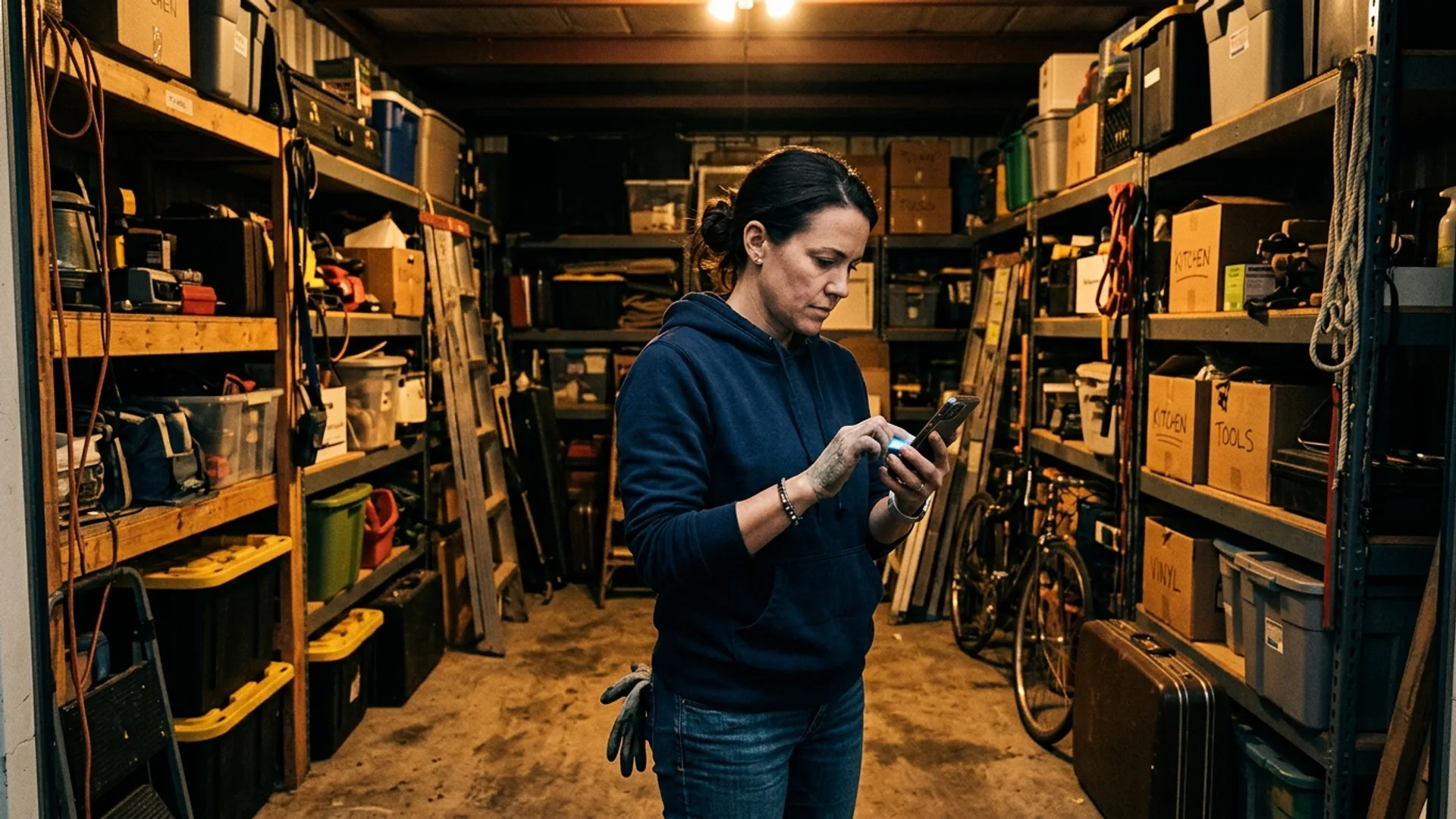
What to Look for in a Storage Unit Auction App
Most storage unit auction apps just track what you own. The best app for storage auction buyers does four specific things that separate profitable flippers from ones who break even.
Ready to flip smarter?
ProFlip is the operator-grade tool storage auction buyers have been waiting for.
Join the waitlist